

Easy Four-Row Knit Stitch: Quick Texture Pattern for Beginners
The knitted four-row stitch is a versatile and fun knitting technique that adds a subtle, attractive texture to scarves, sweaters, hats and other projects. It's an excellent choice for beginners who already know basic knit and purl stitches and want a simple, repeatable pattern that creates visual interest without complicated shaping. This guide walks you through the pattern, materials, common abbreviations and a few helpful tips so you can start knitting the four-row stitch with confidence.
The knitted four-row stitch is a versatile and fun knitting technique that adds beautiful texture to your knitted projects. It is a perfect choice for beginners looking to enhance their skills and create unique patterns. With just a simple combination of knit and purl stitches repeated over four rows, you can achieve a lovely design that will impress everyone. So grab your needles and yarn, let's dive into the world of the knitted four-row stitch and unleash your creativity in every stitch you make!
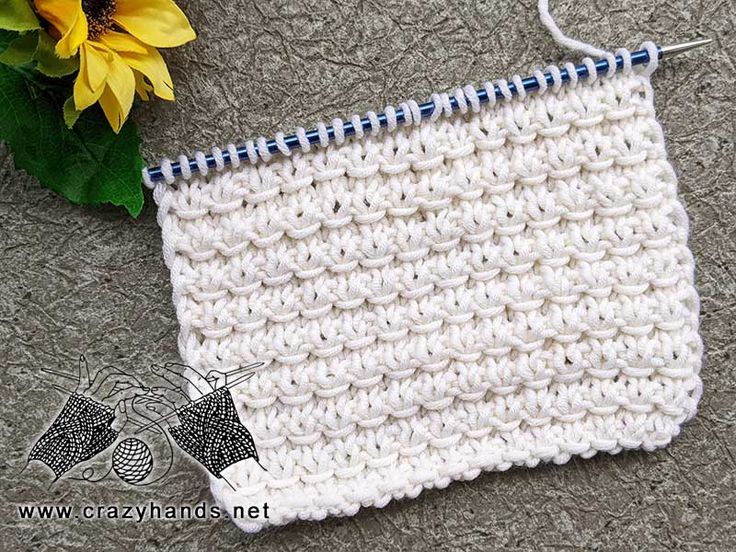
Close-up of a knitted swatch demonstrating the four-row stitch texture.
Knitting materials and tools:
<> DPN 4 mm (US 6 / UK 8)
<> Stitch&Story, the LIL’ MERINO (4): 100 % – Merino wool
Common abbreviations of knit stitches:
k – knit
p – purl
st(s) – stitch(es)
sel s – selvage stitch: always slip the first stitch knitwise, work to the last stitch, purl the last stitch
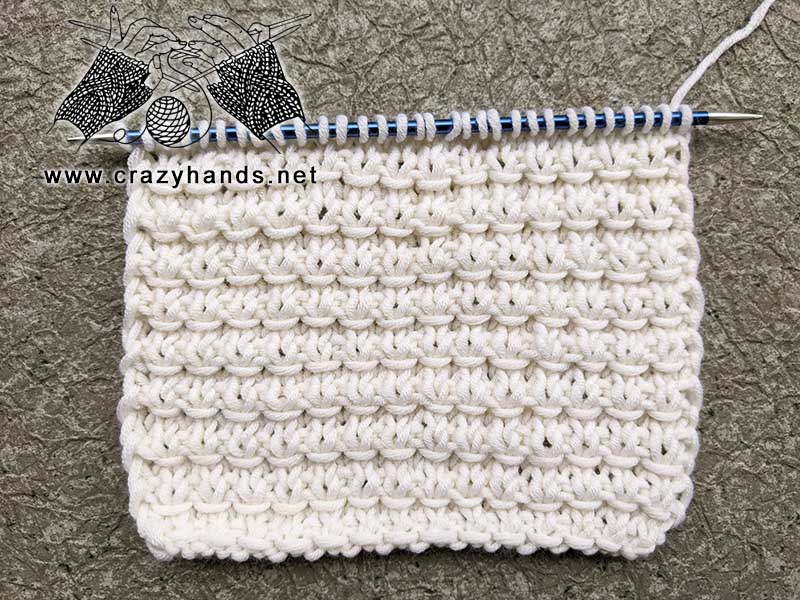
The four-row stitch worked on needles, highlighting slipped stitches and the textured pattern.
Four row stitch knitting pattern:
Cast on any odd number if you knit this stitch in rows. Cast on 31 sts.
Row 1: sel s, [p1, slip next stitch holding the working yarn in front] – repeat till the end, p1, sel s.
Row 2: sel s, [k1, p1] – repeat till the end, k1, sel s.
Row 3: sel s, knit all stitches, sel s.
Row 4: sel s, purl all stitches, sel s.
Repeat Rows 1-4 to form the pattern.
Tips and variations:
- Tension: Keep your slipped stitches even by maintaining consistent yarn tension when bringing the yarn to the front to slip. If slipped stitches look too loose, try holding the working yarn a bit tighter on the slip.
- Edge finish: The selvage (sel s) instructions give a neat edge that helps prevent curling. You can also add a garter-stitch border for extra stability.
- Yarn and needle substitutions: While the sample uses 4 mm needles and a merino yarn, you can experiment with thicker or thinner yarns and adjusted needle sizes to change the fabric’s drape and scale—just be aware the stitch texture will change with different gauges.
- Project ideas: This stitch works well for scarves, blanket panels, hat bands and sweater yokes where a subtle, repeating texture is desired.
With practice, the four-row stitch becomes a relaxing and reliable pattern to use in many projects. Enjoy knitting and experimenting with color or yarn weight to make the stitch your own.