
Master the Knitted Armour Stitch: Create Dense, Textured Scarves, Blankets & Sweaters
The Knitted Armour Stitch produces a striking, dense texture that works beautifully for warm scarves, cozy blankets, and structured sweater panels. Its appearance is more intricate than the technique — once you establish the rhythm of slipping stitches and knitting rows, the pattern becomes repetitive and meditative. Below you'll find materials, abbreviations, clear row-by-row instructions and a few finishing tips to help you get great results.
The Knitted Armour Stitch is a fabulous pattern that adds a touch of elegance and texture to your knitting projects. This stitch creates a dense fabric that is perfect for cozy blankets, warm scarves, or even stylish sweaters. Don't be intimidated by its intricate appearance; once you get the hang of it, you'll enjoy the rhythmic flow of knitting this beautiful stitch. So grab your favorite yarn and needles, and let the Knitted Armour Stitch take your creations to the next level with its charm and versatility!
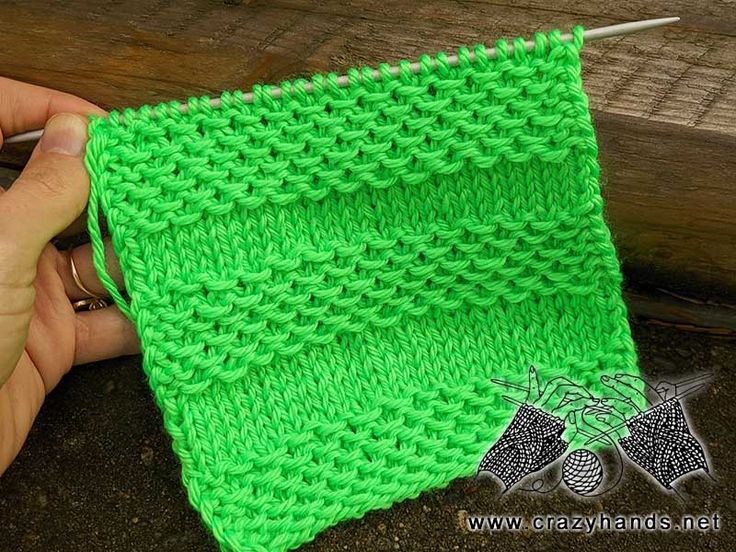
Knitting materials and tools:
- DPN 4 mm (UK 8 or US 6)
- Caron Simply Soft (4) – 100% acrylic: 170 grams -288 m per skein.
Common abbreviations of knit stitches:
- k – knit
- st(s) – stitch(es)
- sel s – selvage stitch: always slip the first stitch purlwise, work to the last stitch, purl the last stitch
- WS – wrong side (worked as specified)
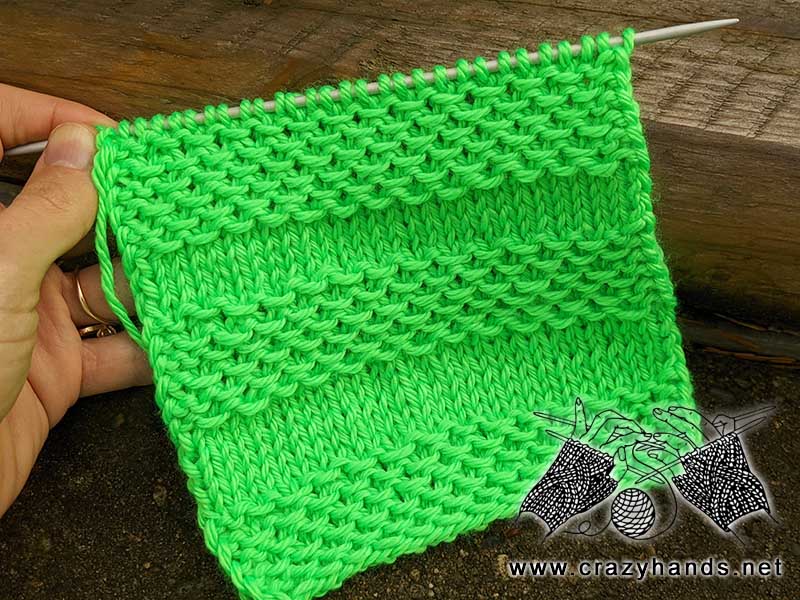
Knit armour stitch instructions:
Cast on an odd number of stitches.
Row 1 (WS): sel s, *k1, slip next stitch holding yarn in back – repeat from *, k1, sel s.
Row 2: sel s, knit all stitches, sel s.
Row 3 (WS): sel s, k2, slip next stitch holding yarn in back *k1, slip next stitch holding yarn in back – repeat from *, k2, sel s.
Row 4: sel s, knit all stitches, sel s.
Repeat Rows 1–4 to form the pattern.
Tips:
- Because this stitch uses slipped stitches, it produces a dense fabric — choose a yarn and needle size appropriate for the finished drape you want.
- Maintain even tension when slipping stitches to keep the texture consistent across the row.
- Light blocking can help even out the edges and open the stitch definition slightly without losing the dense character.